
Why Large Music Festivals Use Delay Tower Systems for Sound Coverage
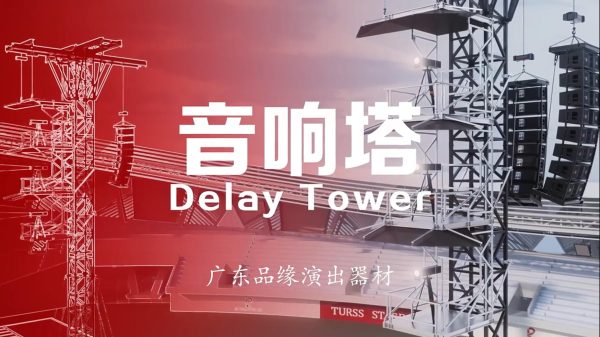
Video Engineering Notes for the 3D Delay Tower Animation
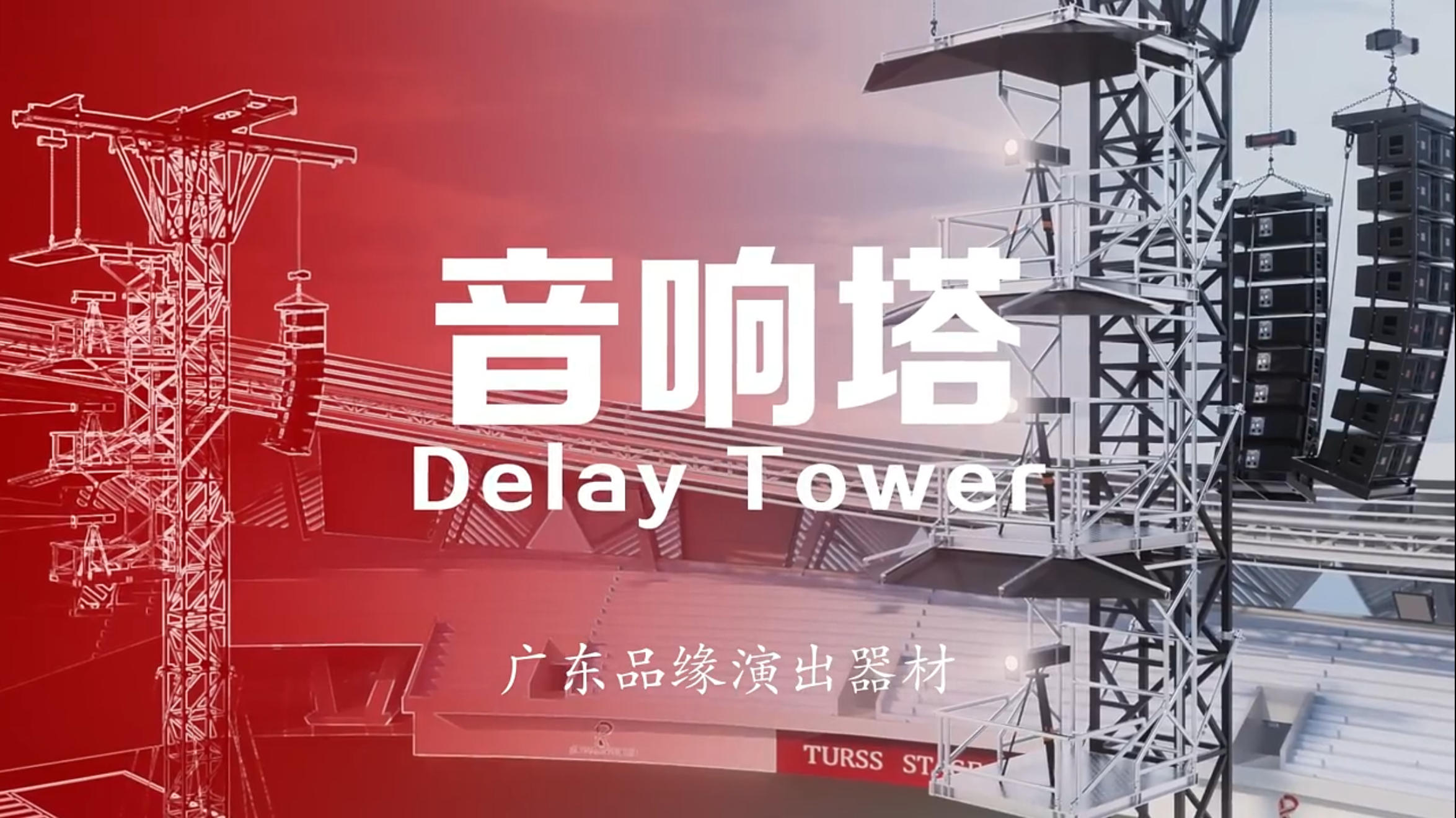
The 3D installation animation helps explain how a delay tower system is assembled for outdoor music festival sound coverage, including the tower frame, top speaker support, base structure, lifting points, and accessory matching.
For real projects, the final delay tower truss design should still be checked according to speaker weight, tower height, venue layout, wind condition, ballast method, and on-site installation requirements.
Related Engineering Solutions for Delay Tower Projects
A delay tower is not only a speaker support frame. It is a complete festival engineering system involving truss structure, speaker load, wind resistance, lifting method, base support, and safe installation planning.
Delay Tower Truss System
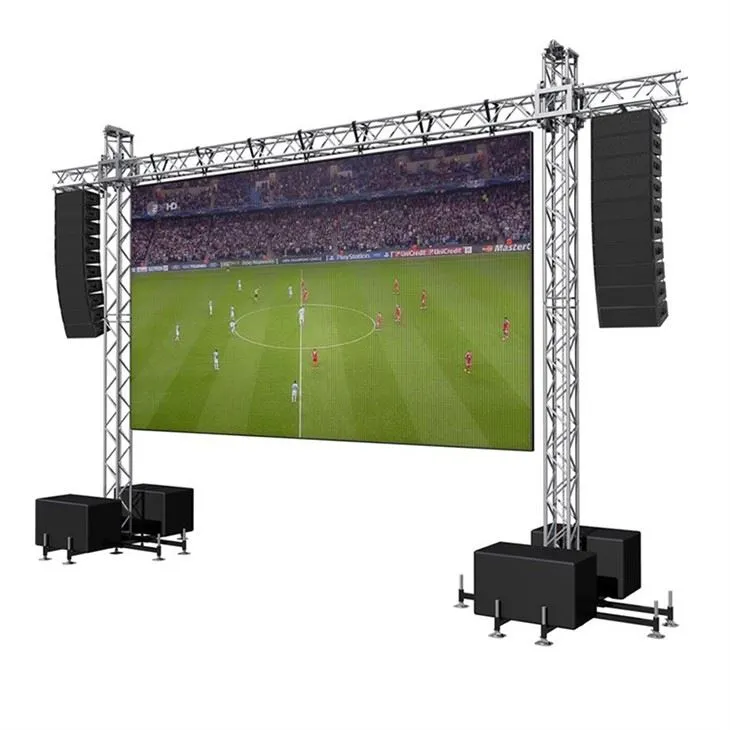
Custom truss tower structures for speaker arrays, LED screens, side-stage support, and outdoor festival sound coverage layouts.
View delay tower truss system for festival sound coverage →Heavy-Duty Stage Truss
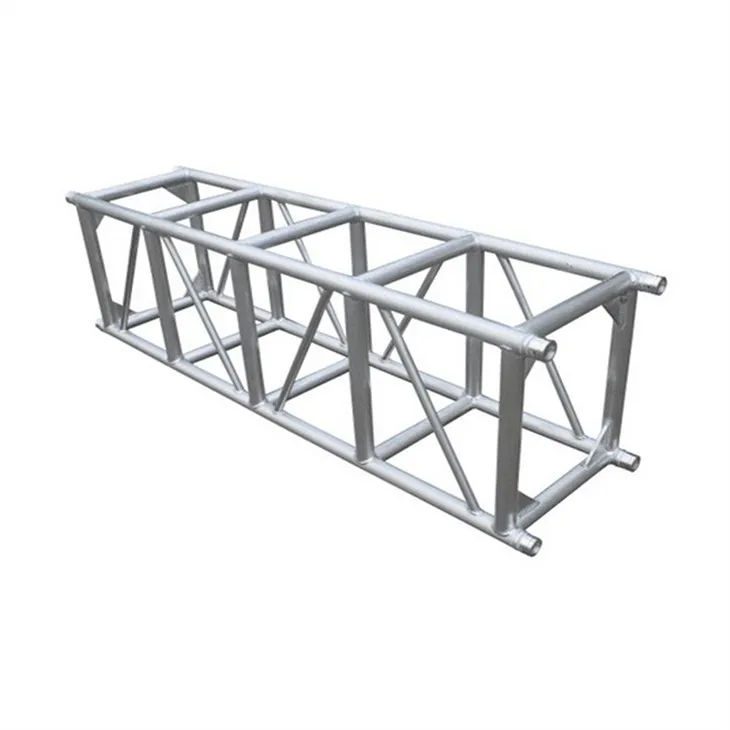
Larger box truss and stage roof truss profiles for stronger spans, higher loading points, and outdoor structure support.
View heavy-duty stage truss for outdoor structures →Hoists and Rigging Accessories
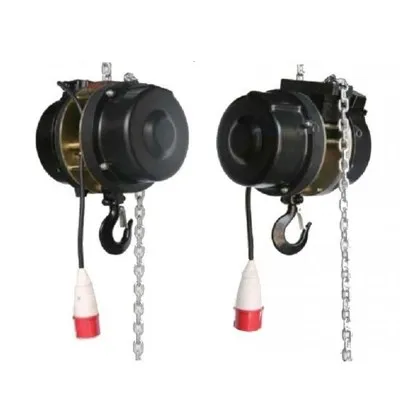
Electric hoists, clamps, shackles, bases, sleeve blocks, and rigging parts help complete the lifting and installation plan.
View electric hoists and rigging accessories for tower lifting →Project Design Checklist for Festival Delay Towers
Before confirming a delay tower truss design, the project team should check the site layout, audio load, tower height, outdoor safety conditions, and accessory plan together.
Venue layout: audience depth, tower positions, stage direction, and sound coverage zones.
Speaker load: line array weight, hanging height, cable load, and rigging method.
Tower structure: truss profile, tower height, support width, bracing, and top rigging frame.
Outdoor safety: wind condition, ballast method, base footprint, ground condition, and guy wire plan.
Accessory list: hoists, clamps, shackles, bases, sleeve blocks, bolts, pins, and packing.
Extra equipment: LED screens, follow spots, lighting fixtures, signage, or brand elements if required.
FAQ About Delay Tower Systems
What is a delay tower system?
A delay tower system is a temporary truss tower used to support speaker arrays or audio equipment away from the main stage, so sound can cover a large outdoor audience area more evenly.
Why do large music festivals need delay towers?
Large festival sites are too deep for one front speaker system to cover clearly. Delay towers help distant audience zones receive synchronized sound with better volume, clarity, and timing.
Can aluminum truss be used for speaker delay towers?
Yes. Aluminum truss can be used when the tower is designed according to speaker load, tower height, support width, wind condition, ballast method, and complete rigging requirements.
What information is needed for a custom delay tower design?
Please provide the site drawing, audience layout, speaker weight, tower height, wind condition, ground condition, lifting method, and any LED screen or lighting support requirements.
Does the 3D animation show the real installation logic?
The animation is an engineering reference that helps explain the tower assembly workflow, support structure, lifting points, ballast planning, and multi-direction equipment installation.
Need a Custom Delay Tower Layout?
Send us your site drawing, speaker load, tower height, wind condition, and installation plan. ENO Stage can recommend a suitable delay tower truss structure, accessory list, packing method, and project support solution.
Application Case and Related Product References
The 3D delay tower animation explains the installation logic, while real festival projects show how audio towers, LED screen frames, truss structures, hoists, and scaffolding support work together on site. These references help production teams connect the engineering concept with practical festival layouts.