Electric Cylinder Lifting Truss System for Large Concert Stage Roofs
Building a large concert or music festival stage is not simply a matter of assembling a roof structure. A large amount of lighting equipment, audio equipment, LED screens and other show equipment must still be installed overhead before system testing and rehearsal can begin.
For large productions, time is one of the most valuable resources on site. If structural assembly takes too long, the working windows available for lighting programming, LED testing, audio commissioning and rehearsal become shorter.
The ENO Stage Electric Cylinder Lifting Truss System is one of our new heavy-duty systems developed for this type of large-scale stage project. The system uses main iron truss structures and iron lifting columns, with multiple electric-cylinder lifting positions working together to raise a large roof structure from a practical installation height to its designed working height.
Its value is not limited to lifting. From detachable transportation and modular assembly to low-level lighting and custom LED installation, heavy-duty roof lifting and fast dismantling after the event, the system changes the complete workflow of a large concert roof structure.
1. Detachable Truss Sections Improve Transportation Efficiency
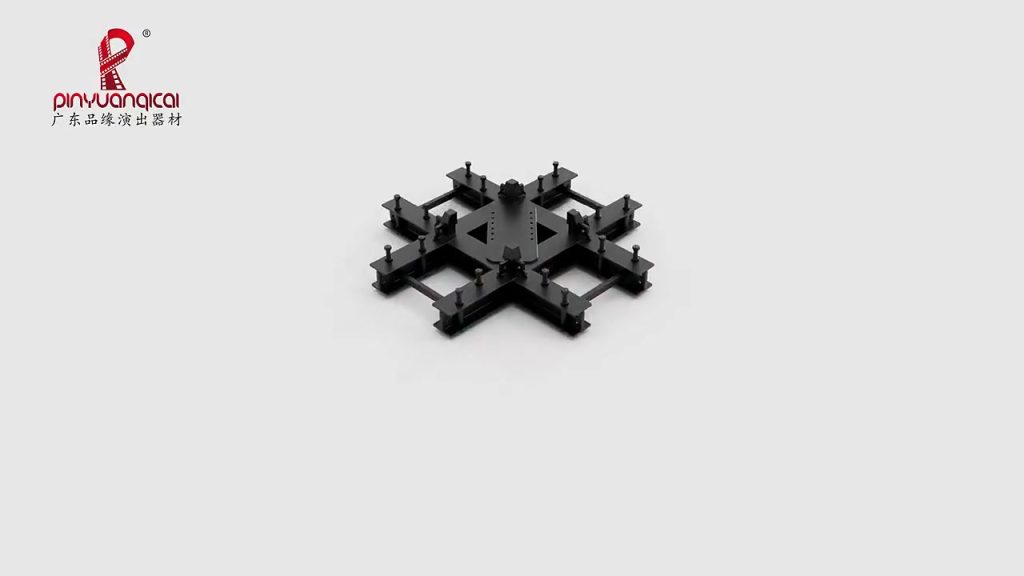
One of the important characteristics of this system is that the main truss structure can be disassembled for transportation, whether the project uses single-row sections or truss sections assembled into a larger box-type structure. Unlike many permanently welded truss structures, detachable sections can be arranged more efficiently inside trucks and shipping containers.
Better use of cargo space means more structural components can be transported within the same vehicle or container capacity. For large concert and festival projects involving many structural components, transportation efficiency becomes part of the overall project efficiency. Compact loading can also reduce pressure on vehicle scheduling during site entry and dismantling.
2. From Individual Sections to a Large Roof Structure
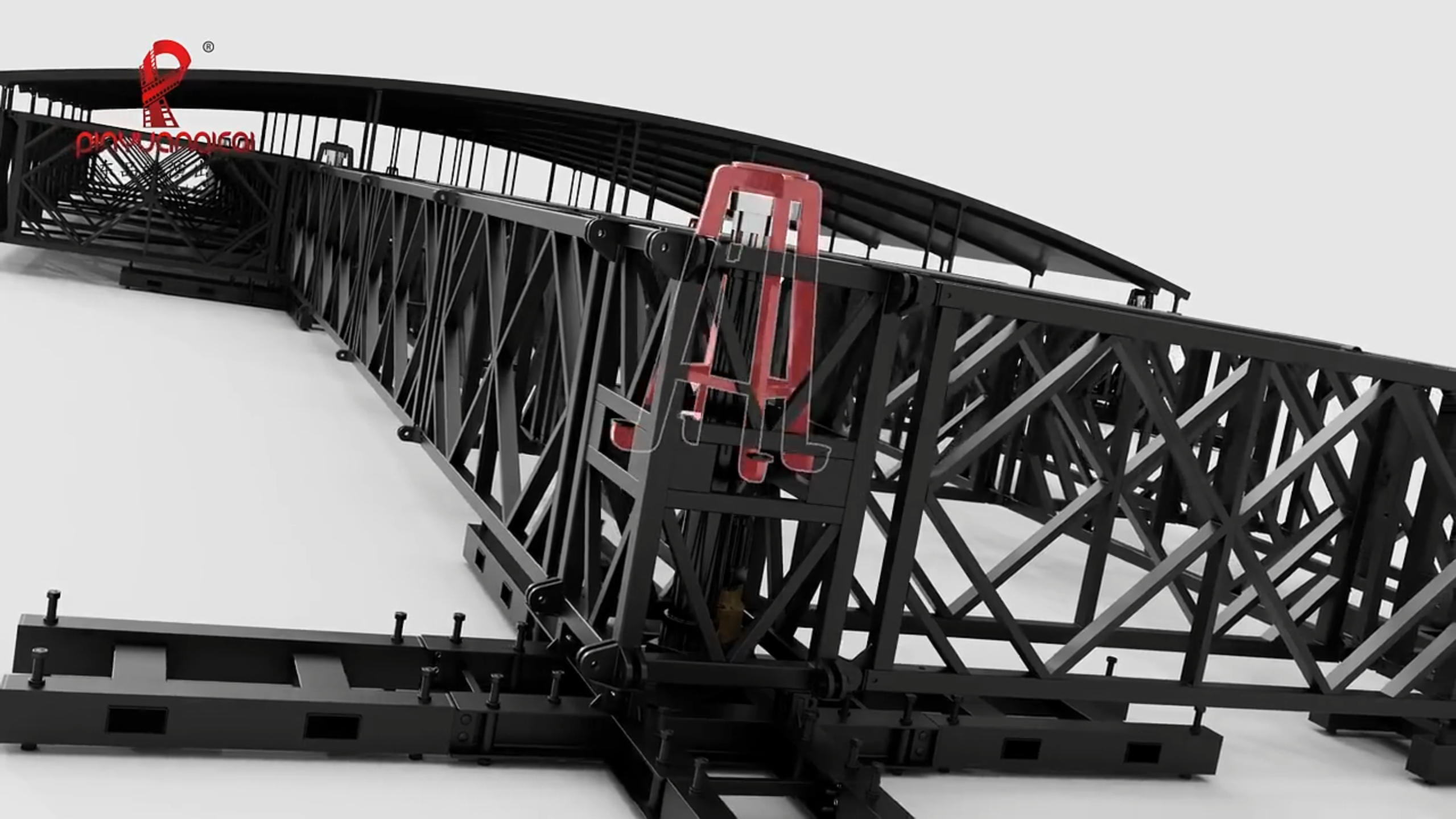
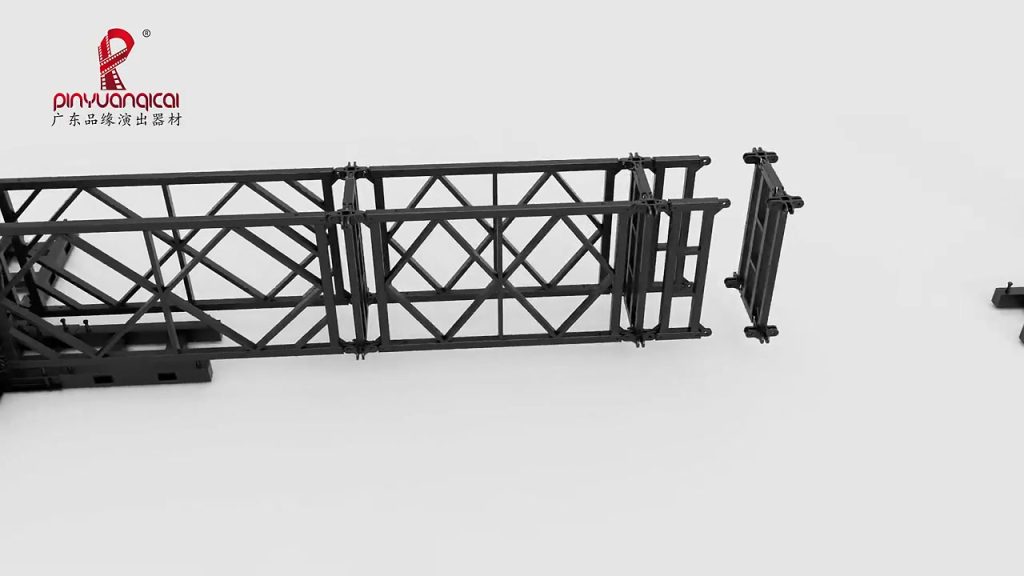
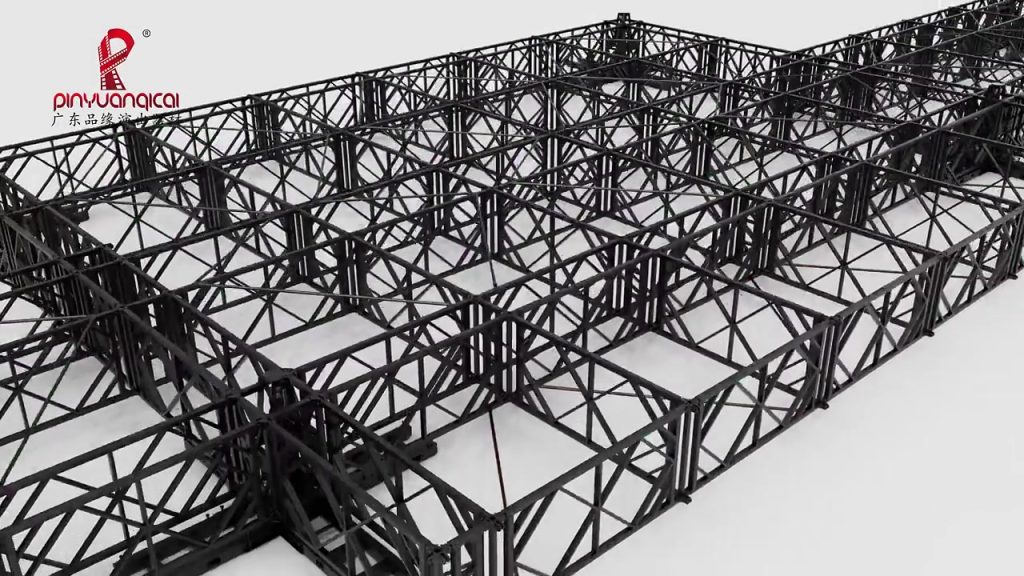
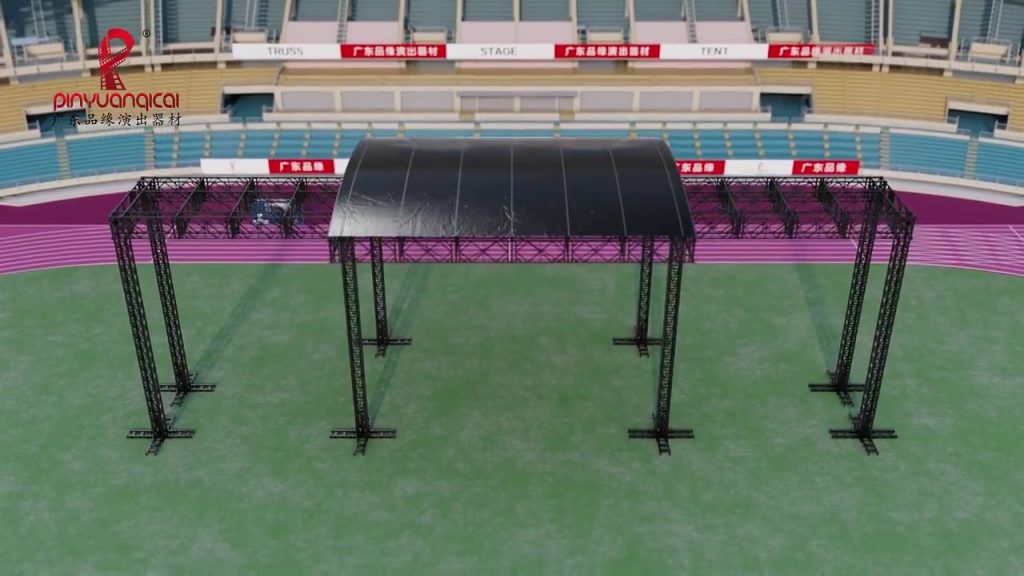
After the equipment arrives on site, the installation can begin with individual truss sections and supporting structures before the sections are progressively connected into the complete roof frame. The installation animation shows how different structural units connect and how the upper structure develops around the lifting columns.
This modular approach allows the installation team to assemble the structure according to the required project dimensions instead of handling one permanently fixed oversized component. Different roof dimensions and structural combinations can therefore be planned for concerts, music festivals and other large-scale productions.
3. Install Lighting and Custom LED Structures at a Lower Working Height
One of the most important practical advantages of the Electric Cylinder Lifting Truss System is that the completed roof structure does not need to be raised immediately to its final working height. The roof can remain at a lower and more practical installation level while the crew installs lighting fixtures, cabling and custom-shaped LED structures designed for the show.
With conventional large-stage workflows, a lifting system with limited overall load capacity may require individual truss lines or equipment sections to be installed and lifted separately. More work may also need to be completed after the structure has already been raised, increasing both the number of operations and the amount of work performed at height.
With the electric-cylinder system, more equipment can be installed while the roof remains closer to ground level. After the lighting, LED structures and other overhead equipment have been installed and checked, the complete loaded roof structure can be raised toward its designed working height. This reduces repeated lifting operations and can reduce the amount of high-level installation work required on site.
4. Lift the Loaded Roof as One System and Gain More Time for Rehearsal
For a large concert production, completing the stage structure is only one part of the schedule. Lighting programming, LED testing, audio commissioning, system integration and rehearsal still need to follow. Every hour saved during structural installation can become additional working time for the technical teams preparing the show.
After lighting, LED screens and other designed equipment are installed at the lower working height, the Electric Cylinder Lifting Truss System can use multiple synchronized lifting positions to raise the roof structure together with its installed equipment toward the required working height. This allows much of the lighting and LED installation work to be completed before the roof is fully raised, reducing repeated lifting operations and unnecessary high-level installation work.
Compared with a conventional workflow where truss sections and equipment may need to be installed and lifted in multiple stages, this integrated approach allows the roof structure, lighting equipment and designed LED elements to be prepared as one larger system before lifting. For large productions with substantial equipment loads, this can significantly improve the overall installation workflow and help the project move into system testing and rehearsal sooner.
For concerts and music festivals working under tight schedules, this advantage is more than a small improvement in lifting speed. Faster structural preparation and equipment installation can create a larger working window for lighting programming, LED testing, audio commissioning and rehearsal, helping the production team make better use of the limited preparation time before the event begins.
5. Iron Trusses and Iron Lifting Columns Form the Heavy-Duty Structural Base
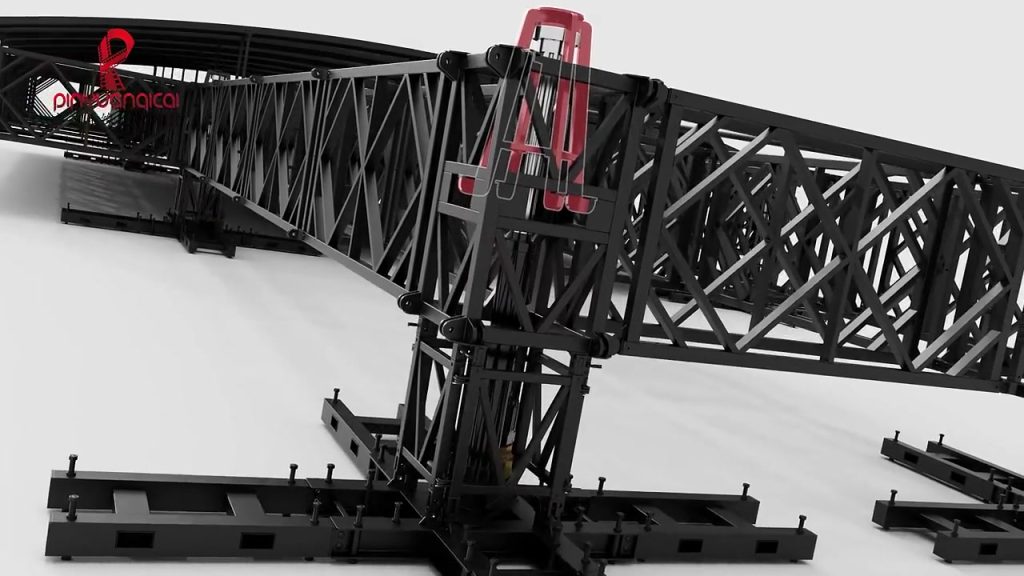
The main truss structures and lifting columns in this electric-cylinder system are made from iron. This gives the system a different application position from conventional lightweight aluminum event truss systems. A large concert roof must account not only for the roof cover itself but also for the overall engineering requirements created by lighting, LED screens, audio equipment and other overhead show equipment.
The Electric Cylinder Lifting Truss System combines the main iron trusses, iron lifting columns and synchronized lifting system to form the structural foundation of this heavy-duty stage roof system. Its design direction is not simply lightweight installation for small events. It is intended for larger structures, higher overall load requirements and more complex overhead equipment arrangements found in major concerts, music festivals and other large outdoor productions.
The iron trusses and lifting columns also use a baked paint surface finish. In addition to giving the complete structure a clean and professional appearance, the coated surface provides additional protection for the iron components during repeated transportation, assembly, dismantling and outdoor use. This is especially important for touring stage systems that may be loaded, transported and installed repeatedly between different event sites.
For outdoor events, wind resistance and overall structural stability are also critical considerations. The heavy-duty iron truss framework and iron lifting columns provide a robust structural base that can be engineered according to the wind-load requirements of different outdoor stage projects. This makes the system particularly suitable for large concert and festival roof structures where both heavy equipment loads and changing outdoor conditions must be considered during engineering and installation.
Actual allowable loads, spans, lifting heights and wind-load capacity must still be confirmed according to the complete project design, including roof dimensions, roof covering, equipment loads, anchoring or ballast configuration and site conditions. Final safe working capacity should always be based on project-specific structural calculations and engineering requirements.
6. Detachable Construction Also Speeds Up Dismantling and Return Transportation
Efficiency becomes important again as soon as the event finishes. A large stage system must not only be assembled efficiently but also dismantled and removed from site within the available production schedule. The detachable truss structure can be separated into modules after the event and reorganized for loading.
Because individual panels and combined truss structures can be dismantled, return transportation can use vehicle and container space more efficiently as well. For stage contractors, rental companies and production suppliers moving equipment between multiple cities or consecutive events, faster dismantling and more efficient transport can directly affect preparation time for the next project.
The efficiency advantage of the system therefore extends far beyond the lifting movement itself. It runs through transportation, structural assembly, equipment installation, roof lifting, event operation, dismantling and return logistics.
7. From 3D Installation Animation to Full-Scale Factory Testing
The 3D installation animation above provides a clear view of how the Electric Cylinder Lifting Truss System is assembled from individual structural sections into a complete large-scale roof structure. It helps explain the assembly sequence, structural connections and lifting concept, but animation alone cannot fully show the real scale and physical construction of such a heavy-duty system.
ENO Stage also carries out full-scale factory assembly and testing of large electric cylinder lifting structures before these systems are prepared for large-scale stage projects. The real factory test video below shows an actual system after assembly, including the iron truss framework, lifting columns and complete large-scale roof structure.
For project customers, this real factory setup provides an important reference alongside the 3D animation. It allows them to see the actual size of the structure, the physical truss and column construction, the connection layout and the overall system under real factory conditions.
Combining the 3D assembly animation with a full-scale factory test makes the complete system easier to understand: the animation explains how the structure is assembled and lifted, while the factory video demonstrates that the system has been physically manufactured, assembled and tested by ENO Stage.
Other Electric Cylinder Lifting Truss Configurations
In addition to the heavy-duty roof system introduced above, ENO Stage also provides other Electric Cylinder Lifting Truss configurations for different stage layouts and project requirements. The assembly animation below shows another system configuration and its complete lifting process.
Conclusion
For a large concert stage, the Electric Cylinder Lifting Truss System improves more than the lifting process itself. The real advantage comes from optimizing the complete workflow. Detachable construction saves transportation space, modular sections improve loading and on-site assembly efficiency, low-level lighting and custom LED installation reduce repeated lifting and high-level work, and heavy-duty synchronized lifting allows the complete roof system and installed equipment to be raised together to the required working height.
The heavy-duty iron trusses and iron lifting columns also provide a robust structural foundation for large outdoor stage roofs. Combined with the baked paint surface finish, the system is designed for repeated transportation, assembly, dismantling and outdoor project use. For concerts and music festivals, the complete structure can also be engineered according to project-specific wind-load and stability requirements.
This is the key value of the ENO Stage Electric Cylinder Lifting Truss System. It is not simply a system for raising a stage roof. It integrates compact transportation, modular assembly, heavy-duty structural support, efficient equipment installation, synchronized lifting, outdoor structural stability and fast dismantling into one complete solution for large-scale concert and festival stage production.